


-

Add: HeBei ShengShi HongBang Cellulose Technology CO.,LTD.
-

Email
13180486930@163.com -

CONTACT US
+86 13180486930




Exploring the Viscosity of HPMC A Unique Insight into its Applications and Benefits The world of additives and ingredients has been continually evolving, and among them, Hydroxypropyl Methylcellulose (HPMC) stands out due to its multifaceted applications and exceptional properties. One of its critical characteristics is viscosity, an essential factor determining its utility in various industries, from pharmaceuticals to construction. Understanding HPMC viscosity not only allows for better application but also ensures a superior product experience, reinforcing expertise, and establishing credibility in the market. Hydroxypropyl Methylcellulose, or HPMC, is a cellulose-derived polymer, known for its versatility and non-toxic nature. Viscosity, in the context of HPMC, refers to its resistance to flow, crucial in defining the product's performance. This characteristic can significantly influence how HPMC is used in different formulations, dictating everything from the texture of a product to its stability and efficacy. In the pharmaceutical industry, HPMC is a dependable asset due to its viscosity, which plays a pivotal role in drug delivery systems. For instance, its application as a controlled release agent hinges heavily on its viscosity properties. By adjusting the viscosity, manufacturers can tailor the release rate of active pharmaceutical ingredients, thus enhancing the therapeutic effect and improving patient compliance. Experts emphasize the precision required in calibrating HPMC viscosity to achieve desired drug-release profiles, showcasing professional expertise and technical know-how. Beyond pharmaceuticals, the viscosity of HPMC is also invaluable in the construction industry, particularly in the formulation of cement and tile adhesives. Here, the right viscosity ensures optimal water retention and workability. Construction experts often highlight the importance of selecting the appropriate viscosity level to ensure that cement mixes maintain their integrity and adhesion capabilities under various environmental conditions. This professional insight underlines the authoritative knowledge required to employ HPMC effectively in construction applications, contributing to the long-term durability of structures. hpmc viscosity The personal care industry similarly benefits from HPMC's viscosity . It acts as a thickening and gelling agent in creams and lotions, enabling the creation of products that deliver a luxurious feel and consistent performance. Savvy formulators understand that manipulating HPMC's viscosity can result in textures that enhance user experience, making the product both sensorially pleasing and functionally superior. This expertise is critical for brands aiming to establish trustworthiness with consumers who seek quality and reliability in personal care offerings. Trust in HPMC’s viscosity extends to its environmental friendliness and safety. Being biodegradable and derived from plant cellulose, it meets the increasing demand for sustainable ingredients, aligning with eco-friendly values. The trustworthiness that comes from using a product that is both effective and environmentally conscious cannot be overstated, especially in markets where consumer awareness around product sustainability is growing. Furthermore, scientific studies and historical usage reinforce the authority and trustworthiness of HPMC across industries. Research consistently demonstrates the stable performance of HPMC, with studies highlighting its low allergenic potential and adaptability in various formulations. This extensive documentation provides an authoritative backdrop, reassuring manufacturers and consumers alike of its efficacy and safety. For those entering the market or seeking to refine their product formulations, understanding HPMC viscosity is not merely an option but a necessity. Mastery of this attribute can lead to groundbreaking product innovations and improvements, securing a competitive edge in the industry. By consulting with chemists and industry experts, and referring to scientific literature, businesses can harness the full potential of HPMC, validating their commitment to quality and expertise. In conclusion, the viscosity of HPMC is more than just a physical property; it is a cornerstone of its application across diverse industries. With its ability to influence product performance and consumer satisfaction, HPMC stands as a testament to effective and trustworthy product formulation. Embracing its viscosity not only enhances product quality but also fortifies a brand's reputation as a leader in innovative and reliable solutions.
- 40000tons

Production
- 20+years

Experience
- 5000+㎡

Acreage

-
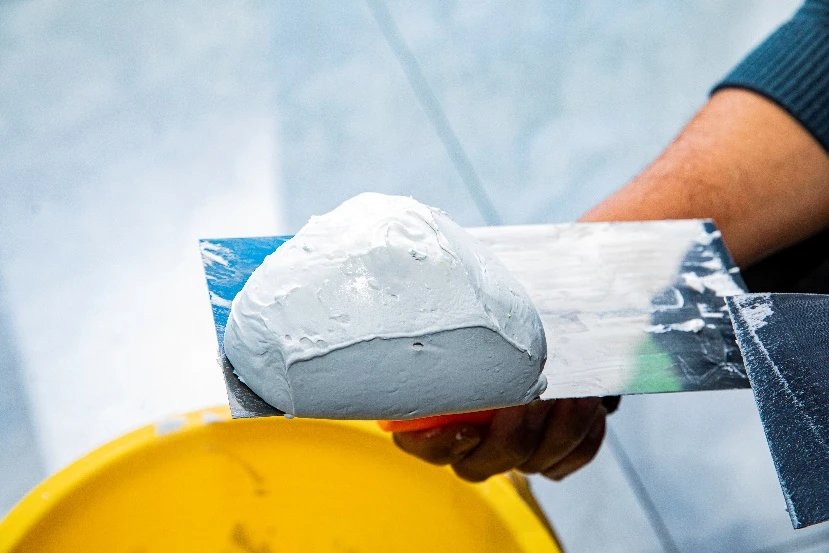
In a world focused on sustainability, wood cellulose is emerging as a top choice for eco-friendly building materials and insulation solutions. Derived from the fiber found in wood, wood cellulose offers exceptional thermal and sound insulation properties while being a renewable and biodegradable resource. Whether you are looking to build or retrofit your home, wood cellulose provides an environmentally responsible option that helps you reduce your carbon footprint and enjoy long-term comfort. What is Wood Cellulose? Understanding This Eco-Friendly Material What is wood cellulose exactly? It is a natural polymer found in the cell walls of plants, primarily in wood. Wood cellulose is made up of long chains of glucose molecules, which provide strength and rigidity to plants. This versatile material can be processed and used for a variety of applications, including as an effective insulation material. It’s biodegradable, recyclable, and an ideal choice for those who prioritize sustainability in their construction and insulation projects. Wood Cellulose Insulation: A Smart Choice for Your Home When it comes to insulation, wood cellulose insulation stands out as a highly effective and environmentally friendly option. Made from recycled wood fibers, wood cellulose insulation provides excellent thermal performance by trapping air and minimizing heat loss. It also offers superior soundproofing properties, making it a great choice for homes and buildings in noisy environments. Unlike traditional insulation materials, wood cellulose insulation is treated to be fire-retardant and resistant to pests, ensuring durability and safety for years to come. It’s time to make your home more energy-efficient with the natural power of wood cellulose insulation . Difference Between Sawdust and Wood Cellulose: Key Features You Need to Know While both sawdust and wood cellulose come from wood, there are significant differences between the two. Sawdust is a byproduct of cutting or grinding wood and is often used in manufacturing or as animal bedding. On the other hand, wood cellulose is the fibrous material extracted from the wood itself and is used for more specific applications such as insulation. The key difference between sawdust and wood cellulose is that wood cellulose is processed to remove impurities and can be treated for fire resistance and enhanced durability, making it a far superior material for insulation purposes. Choose wood cellulose for a greener, safer, and more efficient solution than sawdust. Why Choose Wood Cellulose for Your Next Building Project? If you’re looking to make your home or office more energy-efficient and eco-friendly, wood cellulose is the perfect solution. Whether you’re installing wood cellulose insulation in your attic, walls, or floors, or using wood cellulose in other applications, you can count on its excellent performance. With its sustainable nature, durability, and impressive insulating properties, wood cellulose is the future of green building materials. It’s time to embrace the natural benefits of wood cellulose and enjoy a more comfortable, energy-efficient, and environmentally responsible space. Wood Cellulose FAQs What is wood cellulose and how is it made? Wood cellulose is a natural fiber derived from the cell walls of trees and plants. It is made by processing wood to extract the cellulose fibers, which are then used in various applications such as insulation or paper production. The process involves removing the lignin and other non-cellulose components from the wood, leaving behind the strong, fibrous cellulose that provides structure and rigidity. What is wood cellulose insulation and why is it better than traditional insulation? Wood cellulose insulation is a sustainable insulation material made from recycled wood fibers. It offers superior thermal performance and excellent soundproofing capabilities, making it ideal for homes and commercial buildings. Unlike traditional fiberglass insulation, wood cellulose insulation is made from natural, renewable resources and is treated to resist fire, pests, and mold, making it a safer and more durable option. What is the difference between sawdust and wood cellulose? The main difference between sawdust and wood cellulose lies in their composition and use. Sawdustis a fine powdery byproduct created when wood is cut or sawed, often used in manufacturing or as bedding material. In contrast, wood cellulose is extracted directly from the wood fibers and is processed for specialized applications, particularly as insulation. Wood cellulose is more refined, treated for durability, and better suited for high-performance uses like insulation. How does wood cellulose insulation help with energy efficiency? Wood cellulose insulation is known for its superior thermal resistance, meaning it effectively prevents heat from escaping during the winter and keeps your home cool during the summer. By trapping air and reducing the flow of heat, it helps maintain a stable indoor temperature and reduces the need for heating or cooling, leading to lower energy bills and improved energy efficiency in your home or building. Can wood cellulose be used in all types of buildings? Yes, wood cellulose can be used in almost any type of building, from residential homes to commercial properties. It is ideal for a wide range of construction projects, particularly in those focused on sustainability and energy efficiency. Whether you're building new structures or retrofitting older homes, wood cellulose insulation is a versatile and eco-friendly option that works in walls, attics, floors, and more.
-
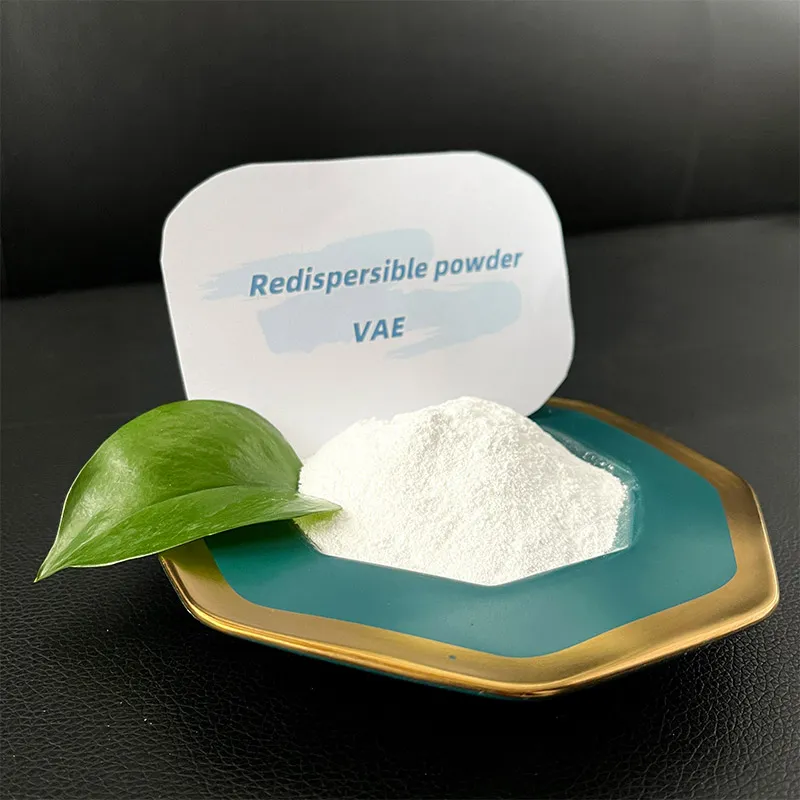
In the ever-evolving landscape of manufacturing, rubber powder has emerged as a vital component, especially in sectors aiming for sustainability and cost-effectiveness. Derived primarily from recycled tires, rubber powder finds applications in numerous industries, such as automotive, construction, and even footwear. The sustainability angle makes it appealing to eco-conscious manufacturers, while the cost benefits extend its reach to businesses of all sizes. The journey from a discarded tire to finely ground rubber powder is both fascinating and enlightening. The manufacturing process of rubber powder is an exemplar of how innovation and sustainability can coexist. The process typically involves several critical stages, each contributing uniquely to the final product's quality and applicability. The first crucial step in manufacturing rubber powder is the collection and inspection of waste tires. Tires are often sourced from landfills or directly from tire retailers. The inspection process ensures that only suitable tires—free from significant contaminants—are processed. The collected tires then undergo shearing, where they are cut into smaller, manageable chunks. Once sheared, the rubber chunks enter the initial grinding phase. This step involves powerful grinders that break down the rubber into smaller granules. It's essential that the grinding process is done under controlled conditions to maintain the rubber's intrinsic properties. Cryogenic grinding often plays a role here, where the rubber is frozen using liquid nitrogen and then shattered. This method not only preserves the rubber's quality but also ensures uniform granule size, which is crucial for quality control and subsequent applications. Following the grinding, magnetic separation is employed to remove metallic contaminants such as steel wire, which is a standard component in tire manufacturing. Advanced separators employ both magnetic and eddy-current technologies to ensure a high degree of purity in the resultant rubber granules. The next phase involves refining these granules into powder form. Milling machines are used to pulverize the granules into fine rubber powder. The fineness of this powder can be adjusted based on the specific requirements of its intended use—ranging from coarse grades for general applications to ultra-fine grades for more sophisticated industrial purposes. This adaptability is key to rubber powder's versatility in various manufacturing processes . rubber powder wikipedia manufacturing process A critical aspect of rubber powder production is quality assurance. Numerous tests are conducted to ensure the powder meets industry standards for particle size, tensile strength, and purity. Consistent quality is imperative, as the performance of the rubber powder in its final application hinges on these metrics. Experts in the field advocate for continuous innovation in this process. Advanced technologies like automated sorting and AI-driven quality control systems are being integrated to enhance efficiency and precision. These innovations not only streamline operations but also bolster the reliability and consistency of the rubber powder produced. Sustainability is a cornerstone of the rubber powder manufacturing process. By recycling tires, manufacturers significantly reduce the environmental impact associated with rubber production. This process also aligns with the circular economy principles, where waste is minimized and resources are reutilized effectively. The market for rubber powder is expansive. In construction, it is used to produce modified asphalt, offering improved durability and resistance to the elements. In the automotive industry, it provides enhanced properties in tire and non-tire applications. Moreover, its use in consumer goods such as rubber-soled footwear and playground surfaces underscores its broad applicability. For manufacturers looking to integrate rubber powder into their products, understanding the nuanced process of its creation is essential. By leveraging this knowledge, companies can optimize product performance, reinforce their commitment to sustainability, and achieve significant cost savings. In conclusion, the production of rubber powder is a testament to the innovative spirit within the manufacturing sector, combining technical expertise with sustainable practices. As industries continue to seek eco-friendly and efficient materials, rubber powder’s role is poised to expand, offering myriad possibilities for future development and application.
advantages
-

200000 Viscosities
Excellent product
We can produce pure products up to 200,000 viscosities
-

40000 tons
High yield
We don’t stop production all year round, and the annual output can reach 40,000 tons
-

24 hours
Quality service
We provide 24-hours online reception service, welcome to consult at any time
———— Inquiry Form
Schedule A services
-
 hydroxypropyl_methylcellulose_0_point_5
Oct . 25, 2025
Understanding Polypropylene Fibers for Concrete Slabs Enhancing Durability and Performance In the re -
 hydroxypropyl_methylcellulose_is_used_in
Oct . 25, 2025
Unveiling the Potential of HPMC E5 in Modern Industries Hydroxypropyl Methylcellulose (HPMC) E5 is g -
 hpmc_e5_molecular_weight
Oct . 25, 2025
The emergence of HPMC nasal spray as a potential tool in the fight against COVID-19 has garnered sig


